












WTP Membrane Options in New Zealand: Moving Towards Fit-for-Purpose Solutions
April 20, 2026
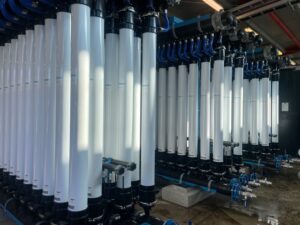
Across New Zealand, water treatment operators are facing increasing pressure to maintain compliance, improve efficiency, and manage aging infrastructure. Pressurised Membrane systems used in municipal and industrial plants are a critical component of this challenge, as many facilities are now operating with modules that are at or beyond their intended service life.
As a result, there is a growing shift in the industry towards better membrane options that are fit for purpose, rather than relying solely on traditional replacement pathways.
The Changing Landscape of Membrane Replacement in New Zealand
Membrane filtration technologies such as microfiltration (MF) and ultrafiltration (UF) play a vital role in ensuring safe and compliant drinking water across the Motu. However, these systems experience wear and performance decline over time, leading to:
- Reduced reliability and increased downtime
- Higher maintenance and labour requirements
- Increased risk of non-compliance with drinking water standards
- Challenges in meeting peak demand capacity
Many operators have defaulted to replacing membranes through the original equipment manufacturer (OEM). While this provides continuity, it can also present limitations in terms of cost, flexibility, and delivery timelines.
Why Fit-for-Purpose Membrane Selection Matters
A fit-for-purpose approach focuses on selecting membrane solutions based on actual plant requirements, rather than default specifications. This includes consideration of:
- Feed water quality and variability
- Required filtration performance and compliance standards
- Existing plant configuration and compatibility
- Operational efficiency, including energy and maintenance demands
- Project timelines and capital budget constraints
By aligning membrane selection with these factors, operators can often achieve better long-term performance and cost outcomes without needing major system modifications.
Key Benefits of Alternative Membrane Options
Exploring alternative membrane solutions can unlock several advantages for water treatment facilities:
- Improved operational reliability: Modern membrane options can offer enhanced durability and integrity, reducing the likelihood of leaks and unplanned downtime.
- Reduced capital expenditure (CapEx): Alternative sourcing strategies can significantly lower replacement costs compared to traditional OEM options.
- Shorter lead times: Access to a broader supplier base can help mitigate long manufacturing and delivery delays.
- Seamless retrofitting: Many membrane solutions are designed to integrate into existing systems with minimal or no physical or operational modifications.
- Maintained or improved performance: When properly selected, alternative membranes can meet or exceed required water quality standards while maintaining plant capacity
As noted by Dave Wyllie, National Sales Manager – NZ at BHF, the shift towards fit-for-purpose membrane solutions is opening more practical and cost-effective pathways for operators:
“A new season of choice has finally arrived for WTP operators when faced with aging pressurised membrane module replacement. BHF have proven technology to be able to supply, and install if required, direct retrofits for most systems, often with improved log reductions, higher efficiencies, shorter lead times, and similar if not better warranties, all at significantly sharper pricing.”
This highlights the growing shift towards more flexible, performance-driven membrane replacement strategies.
Case Study: South Taranaki District Council
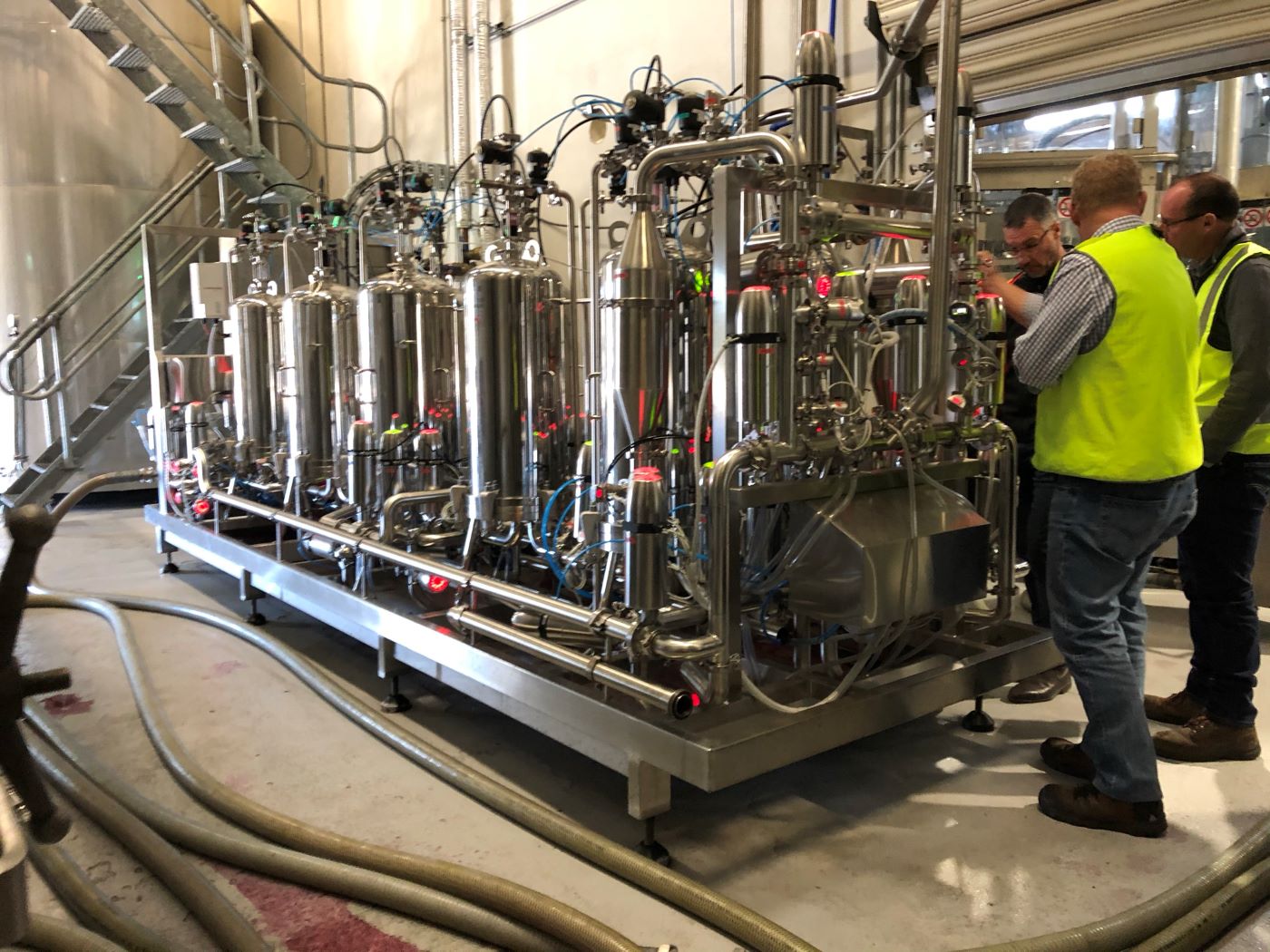
A practical example of this approach is a membrane retrofit project delivered by BHF Technologies for the South Taranaki District Council (STDC), a local authority responsible for supplying up to 13 million litres per day of drinking water in New Zealand. The project focused on upgrading aging microfiltration membranes that were impacting plant reliability, operational efficiency, and compliance.
Prior to the upgrade, the plant was experiencing several challenges due to end-of-life membrane modules. Frequent fibre failures were causing unplanned downtime, while ongoing repairs increased labour demands and diverted staff from core responsibilities. At the same time, there was growing pressure to maintain plant capacity during peak demand periods, and replacement options from the original supplier were limited by high costs and long lead times.
To address these issues, BHF implemented a fit-for-purpose membrane retrofit solution tailored to the plant’s requirements.
Solution
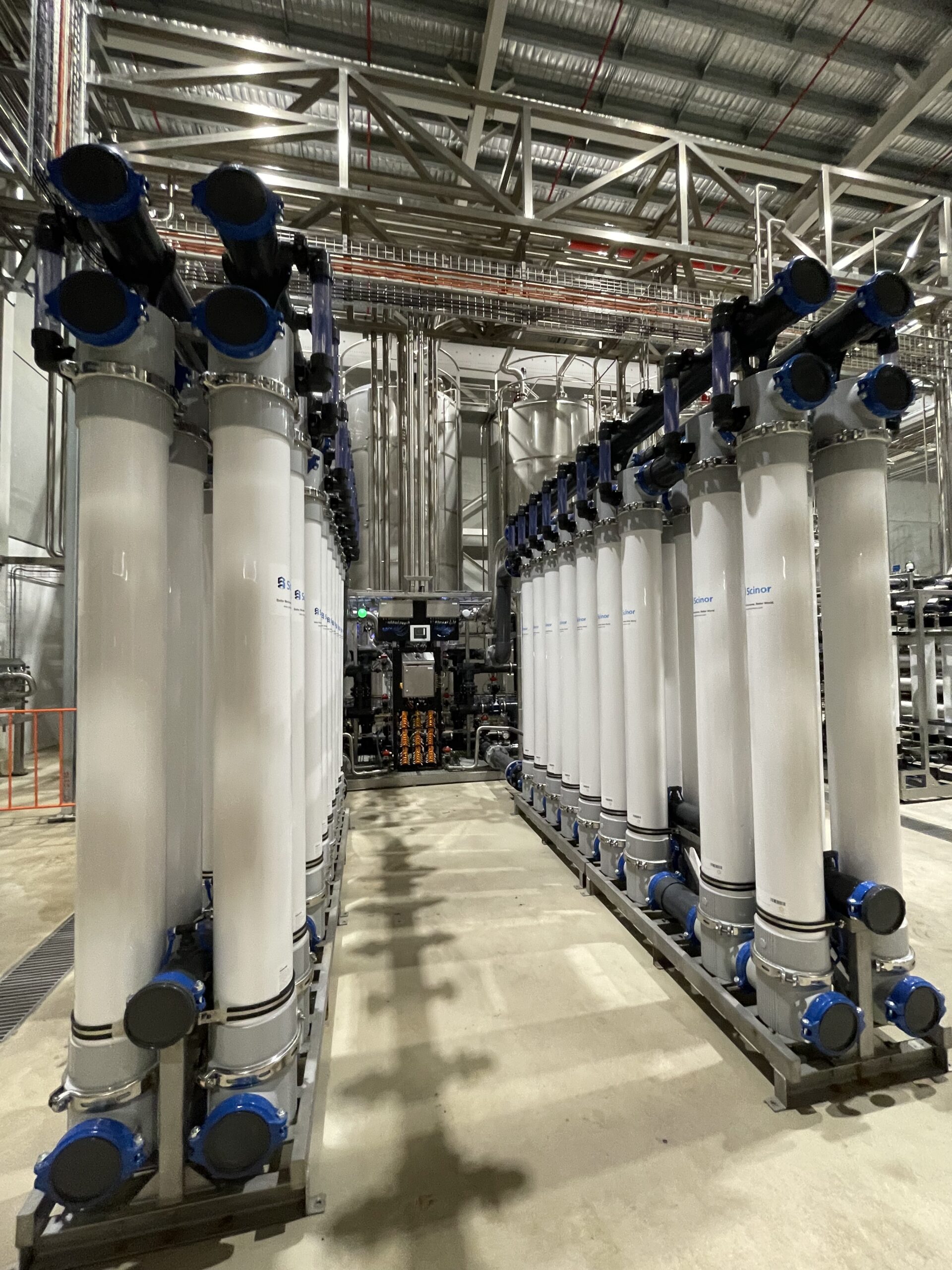
- Delivered a fit-for-purpose ultrafiltration retrofit system compatible with the existing plant
- Implemented a plug-and-play installation with no required modifications
- Managed a full turnkey project including removal, installation, and disposal
- Ensured compliance with drinking water standards
- Enabled fast delivery and installation to minimise disruption
Results
- Improved plant reliability, eliminating unplanned downtime
- Reduced maintenance and labour requirements
- Maintained water quality and full treatment capacity
- Achieved significant CapEx savings
- Supported ongoing optimisation through system assessments
This project highlights how fit-for-purpose membrane solutions in New Zealand can improve performance, reduce costs, and extend the life of existing water treatment infrastructure without requiring major system changes.
Start Your Next Membrane Project with BHF
Better membrane outcomes start with the right approach. At BHF, we work to deliver fit-for-purpose solutions that improve performance and reduce costs. If you are planning a membrane upgrade or exploring retrofit options, our team is ready to support your next project.
Contact us and connect with our team to discuss your next project.