












Water Treatment for New Zealand Data Centres: Design, Treatment and Recovery
August 5, 2026
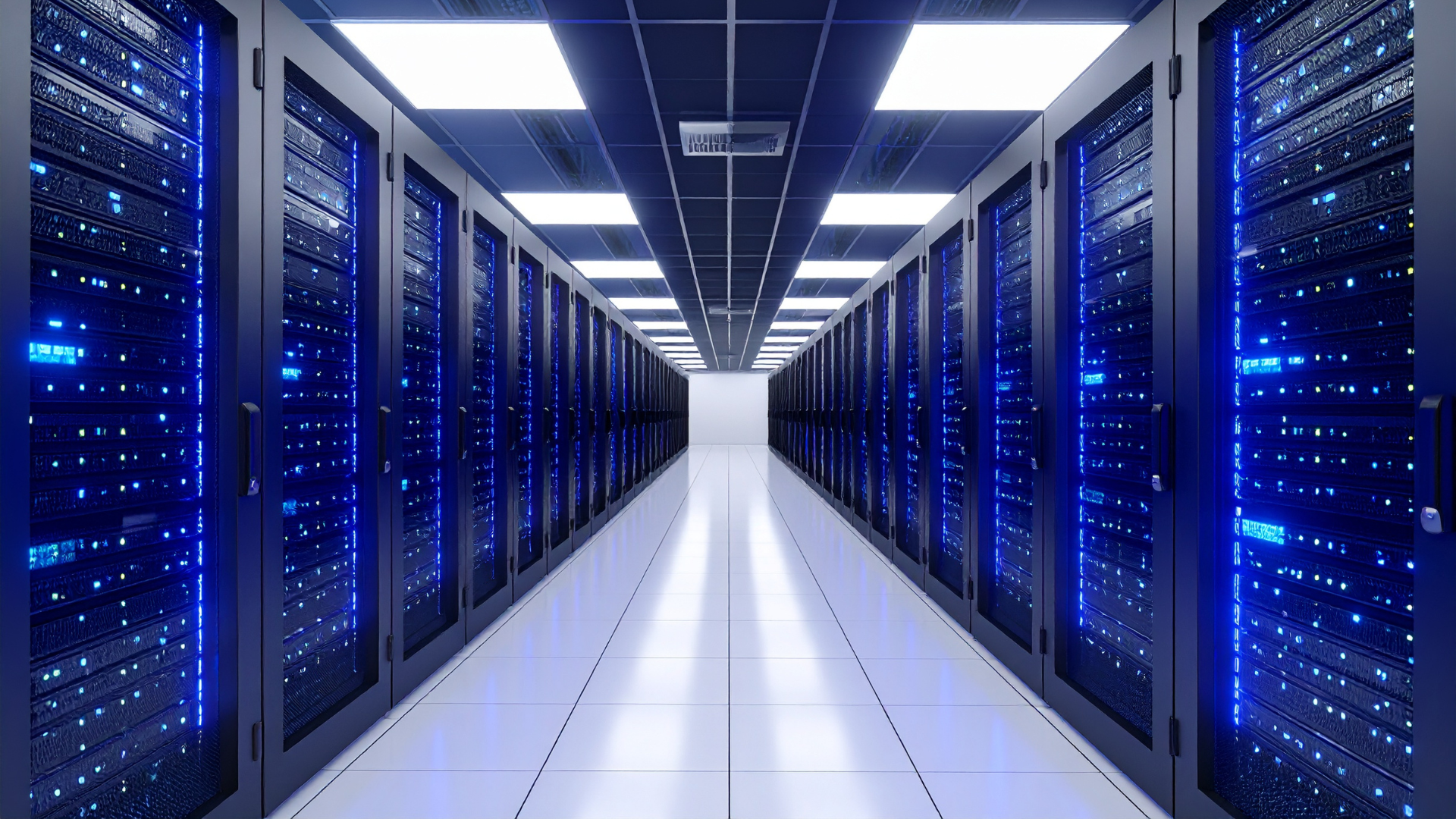
New Zealand’s data centre sector continues to grow as demand for cloud services and digital infrastructure increases. Along with power, connectivity and space, water needs to be considered early in the design. (Tech New Zealand, 2025). Data centres may use water for cooling, process systems, site supply and standby storage. Water may also be recovered for reuse or treated before discharge. Planning these needs early can reduce changes later in the project.
Water Quality Requirements Across a Data Centre
The challenge is not only securing a water supply. Each use may need a different water quality, while source-water conditions can vary between locations.
Mineral content, hardness, dissolved solids and silica can differ depending on whether the water comes from a bore, river or municipal supply. Organics may also need to be considered when determining the treatment required. Project teams therefore need to know what is in the water, where it will be used and the quality required at each point.
Water intended for discharge may also require treatment to meet applicable discharge requirements.
Waldo Andersen, Account Manager at BHF Technologies New Zealand, explains:
“New Zealand has access to established water sources, but availability alone should not drive the design. The critical step is to define the required water quality at each point of use before equipment is selected. This allows the treatment train, storage, controls and recovery strategy to be engineered as one coordinated system, improving reliability, reducing unnecessary demand on treated water and avoiding costly changes later in the project.”
Selecting Water Treatment Stages: UF, RO and Treatment Trains
Once the source water and points of use are clear, the treatment stages can be selected.
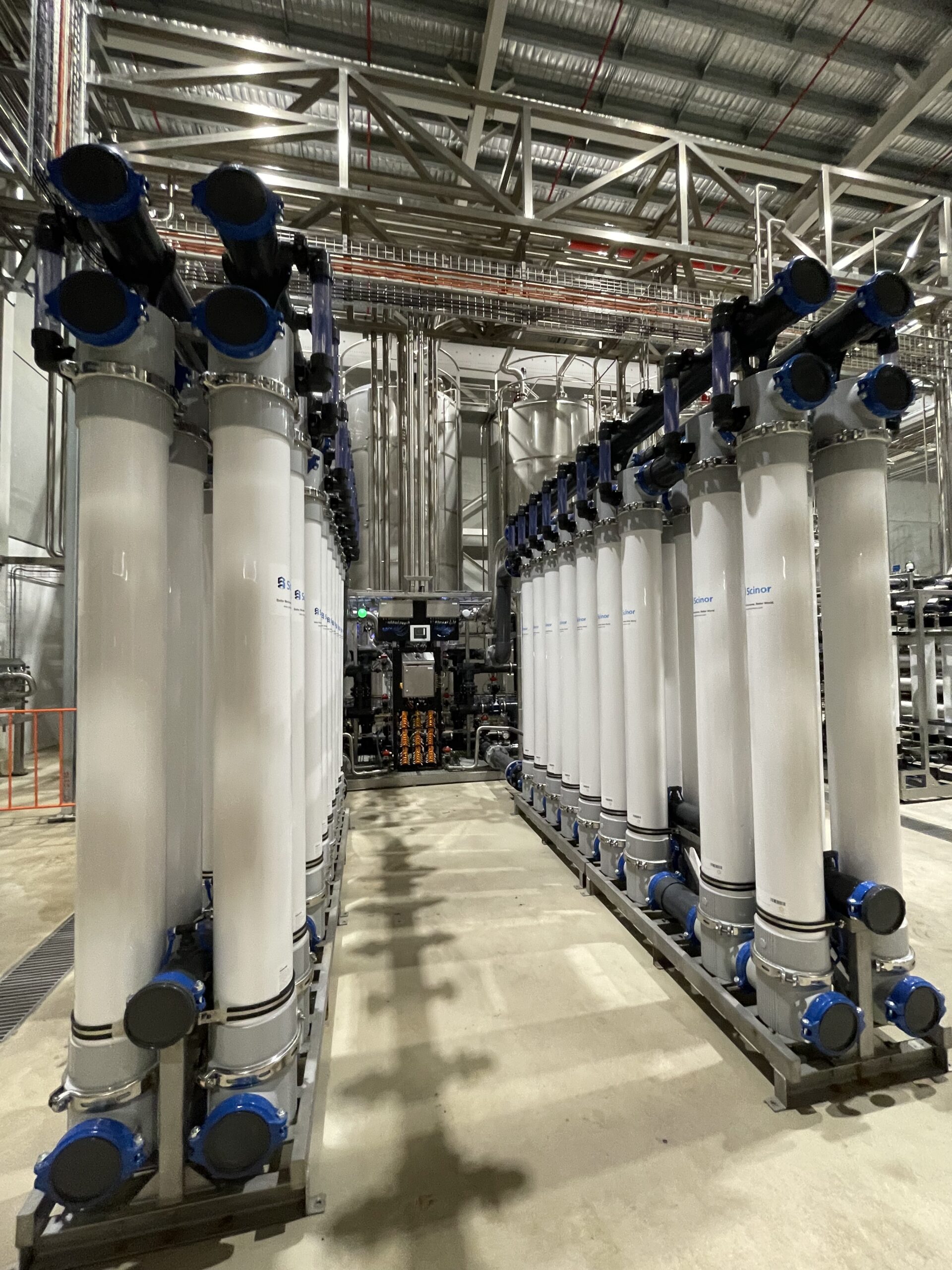
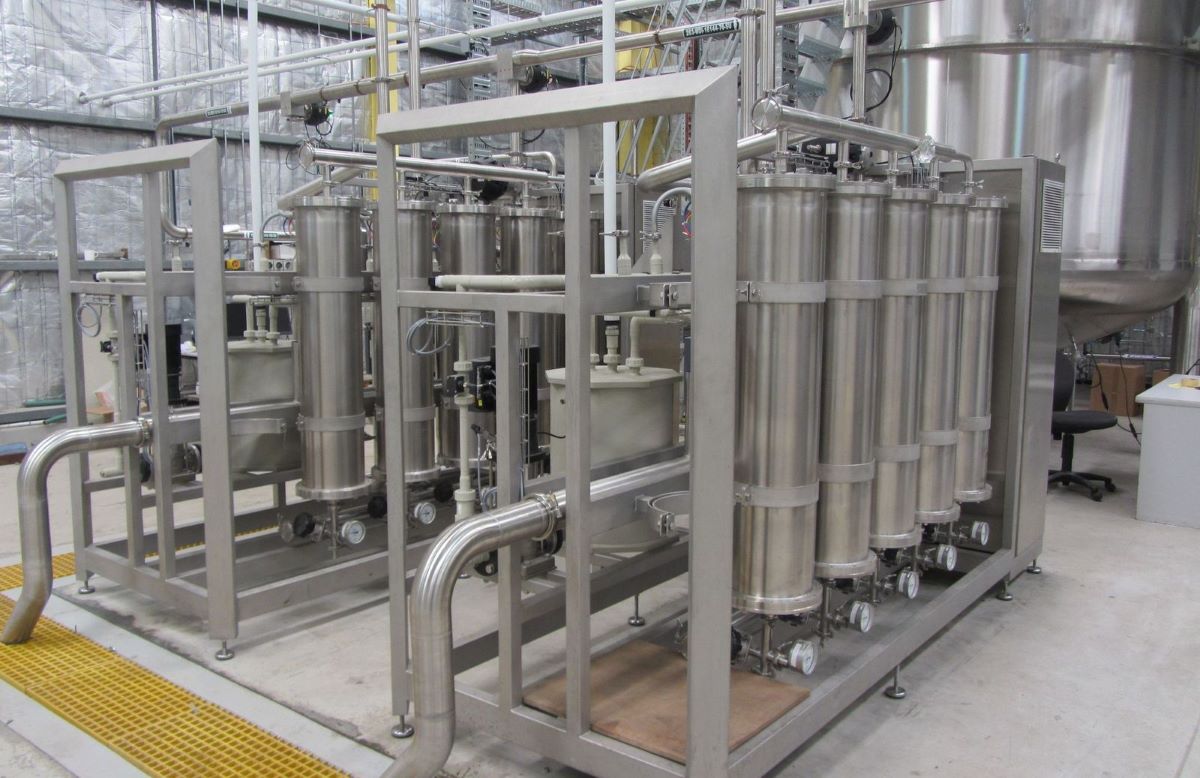
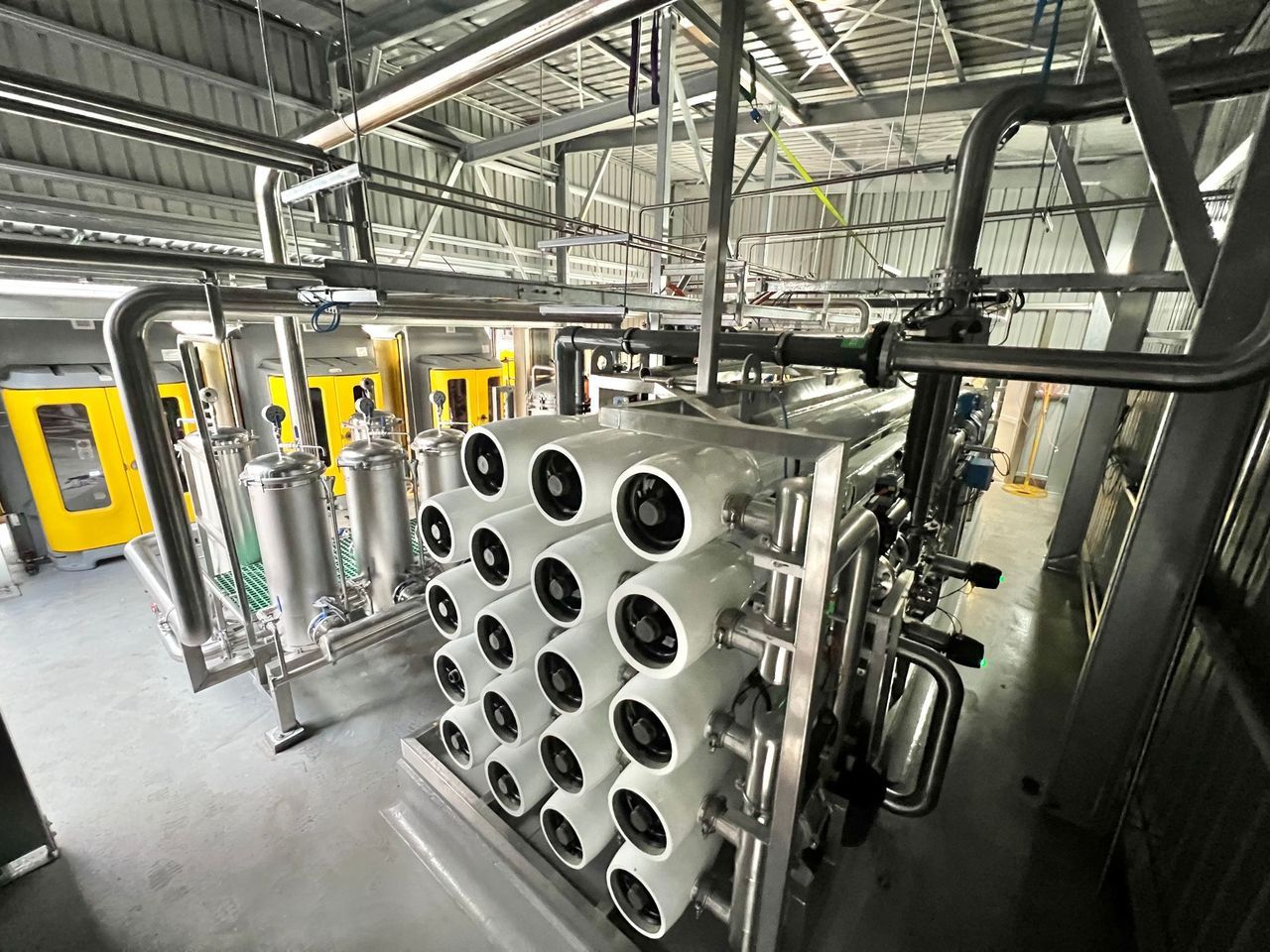
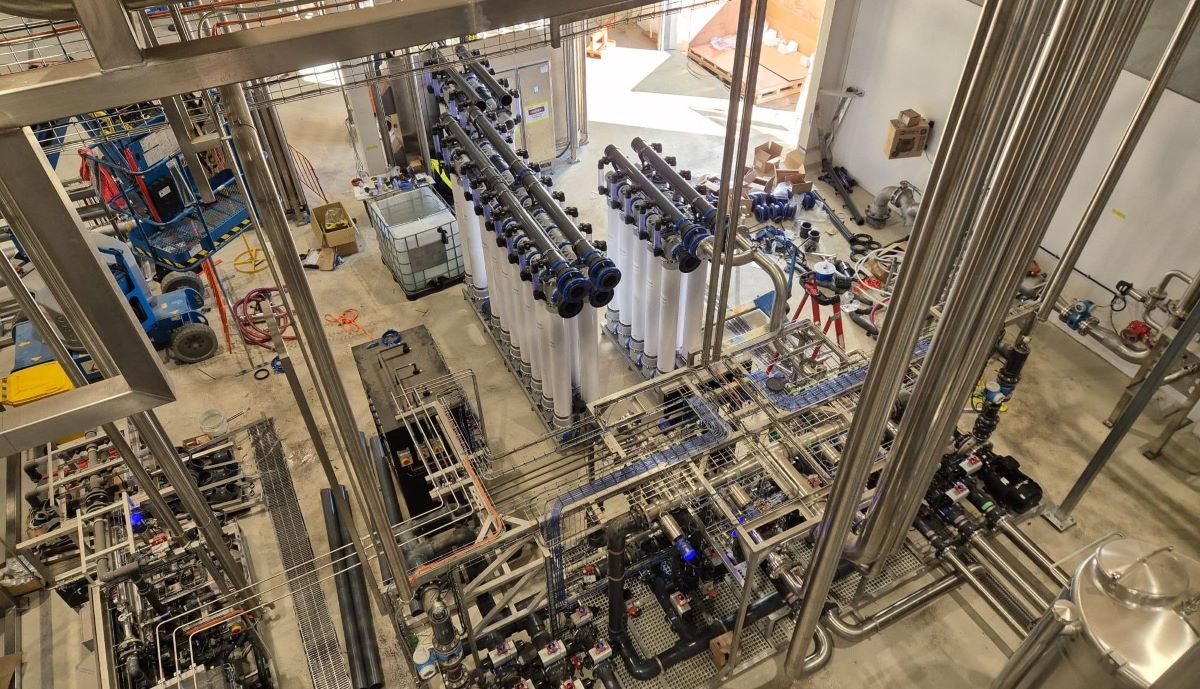
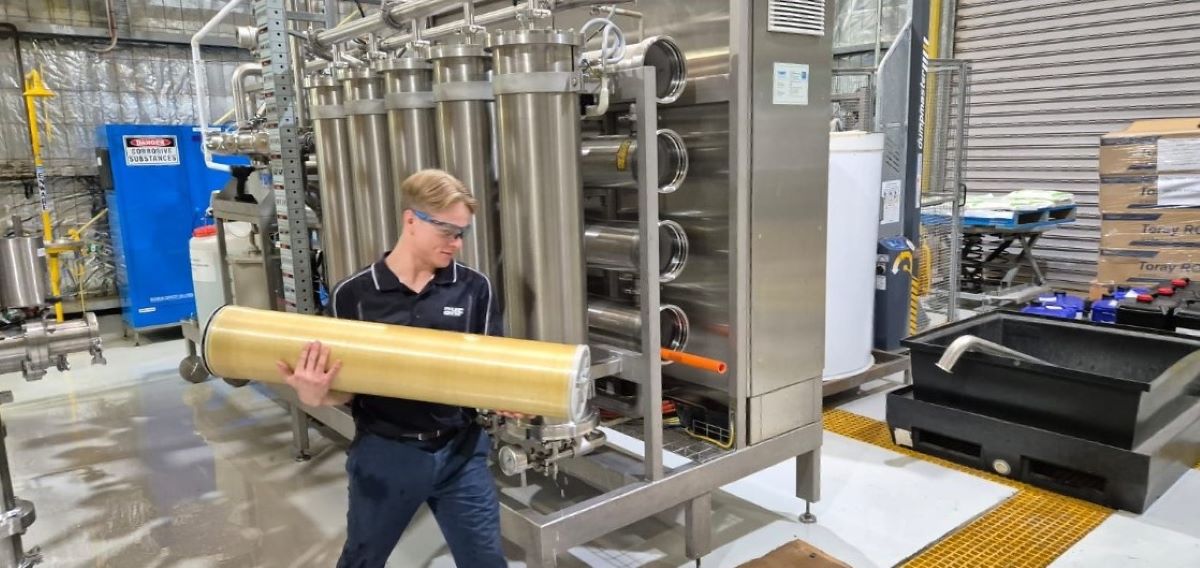
Ultrafiltration (UF) is used to remove suspended solids, colloids and microorganisms. Reverse osmosis (RO) is used to reduce dissolved salts and minerals (US Environmental Protection Agency, 2021). UF may be used before RO to protect downstream equipment. RO may then be added where higher-purity water is needed.
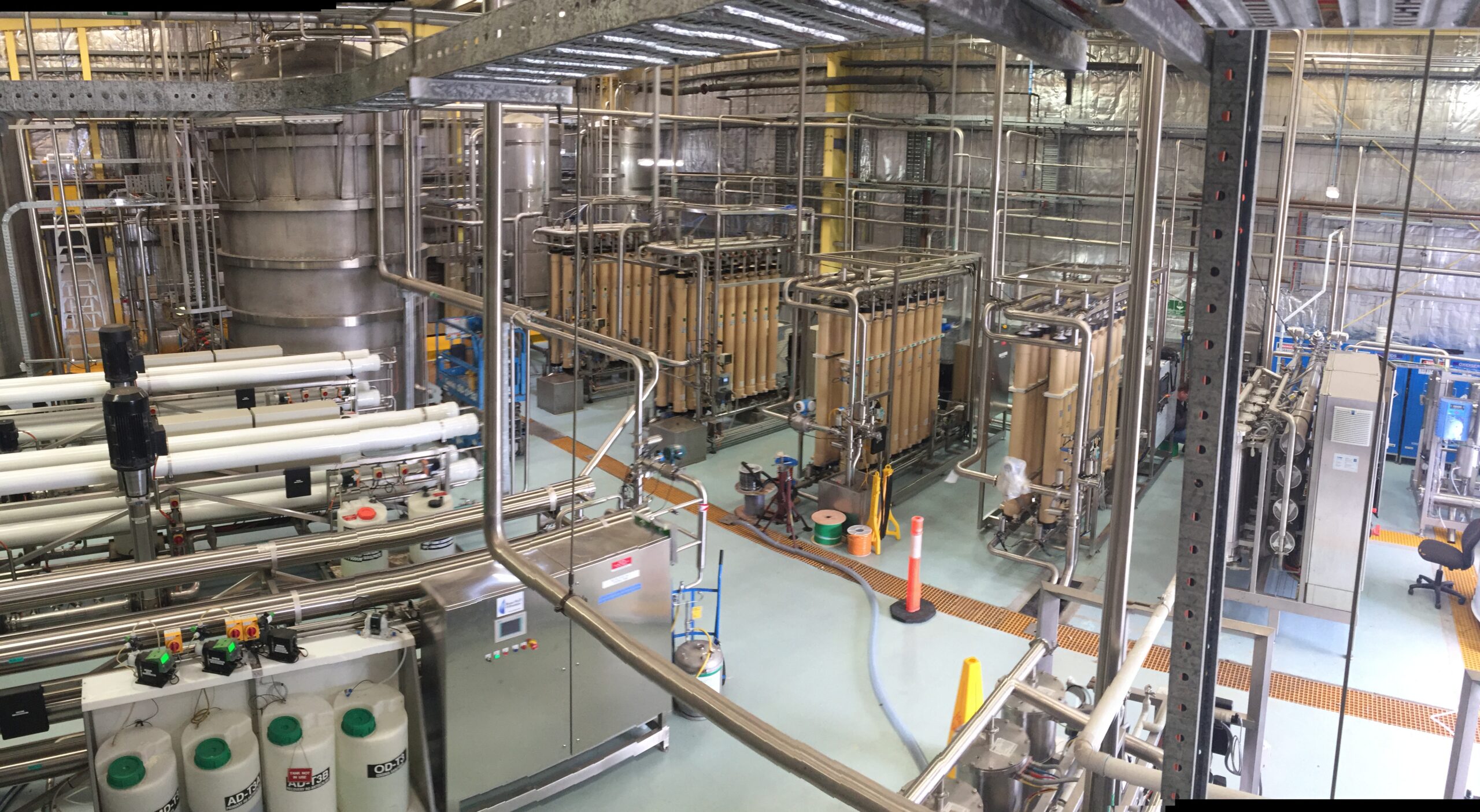
The final treatment train will depend on the source water, system design and required quality. Stored water also needs to remain ready during periods of low use. This requires a system that can maintain water quality without adding unnecessary equipment.
Water Recirculation, UV Disinfection and Recovery Systems
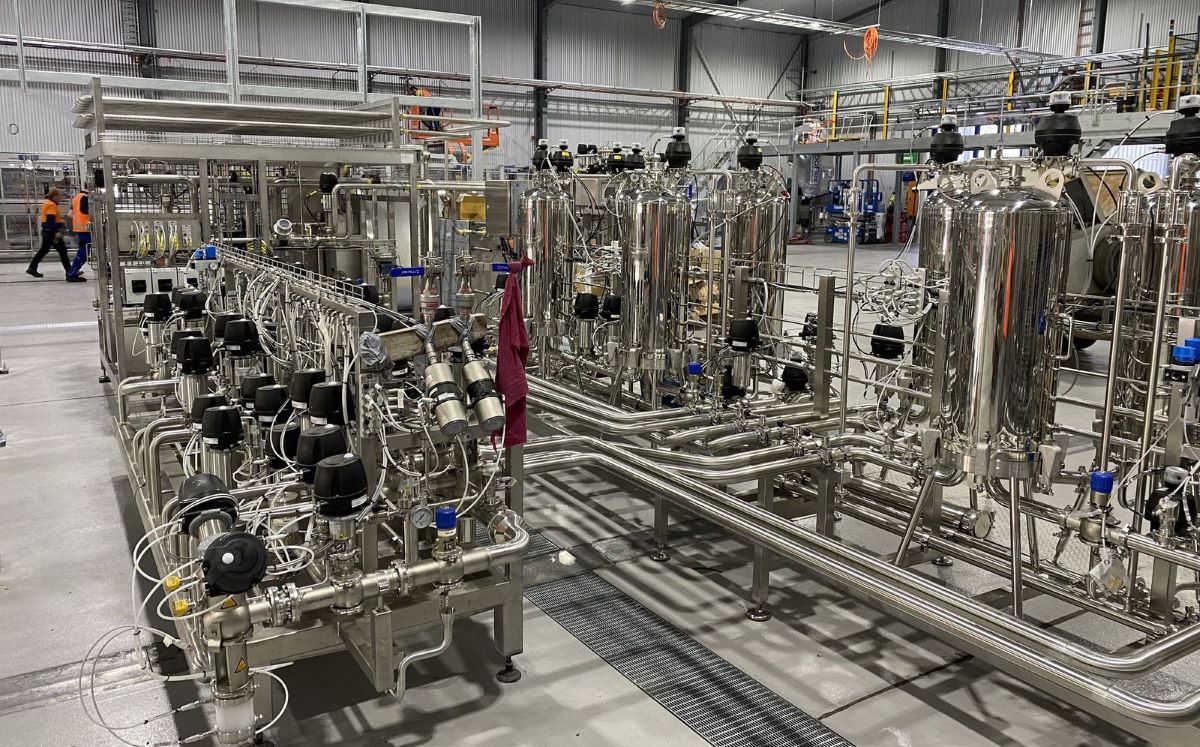
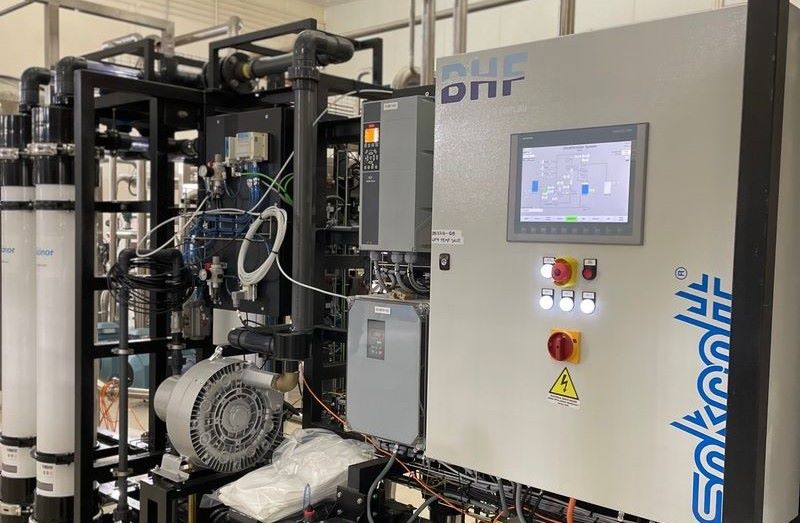
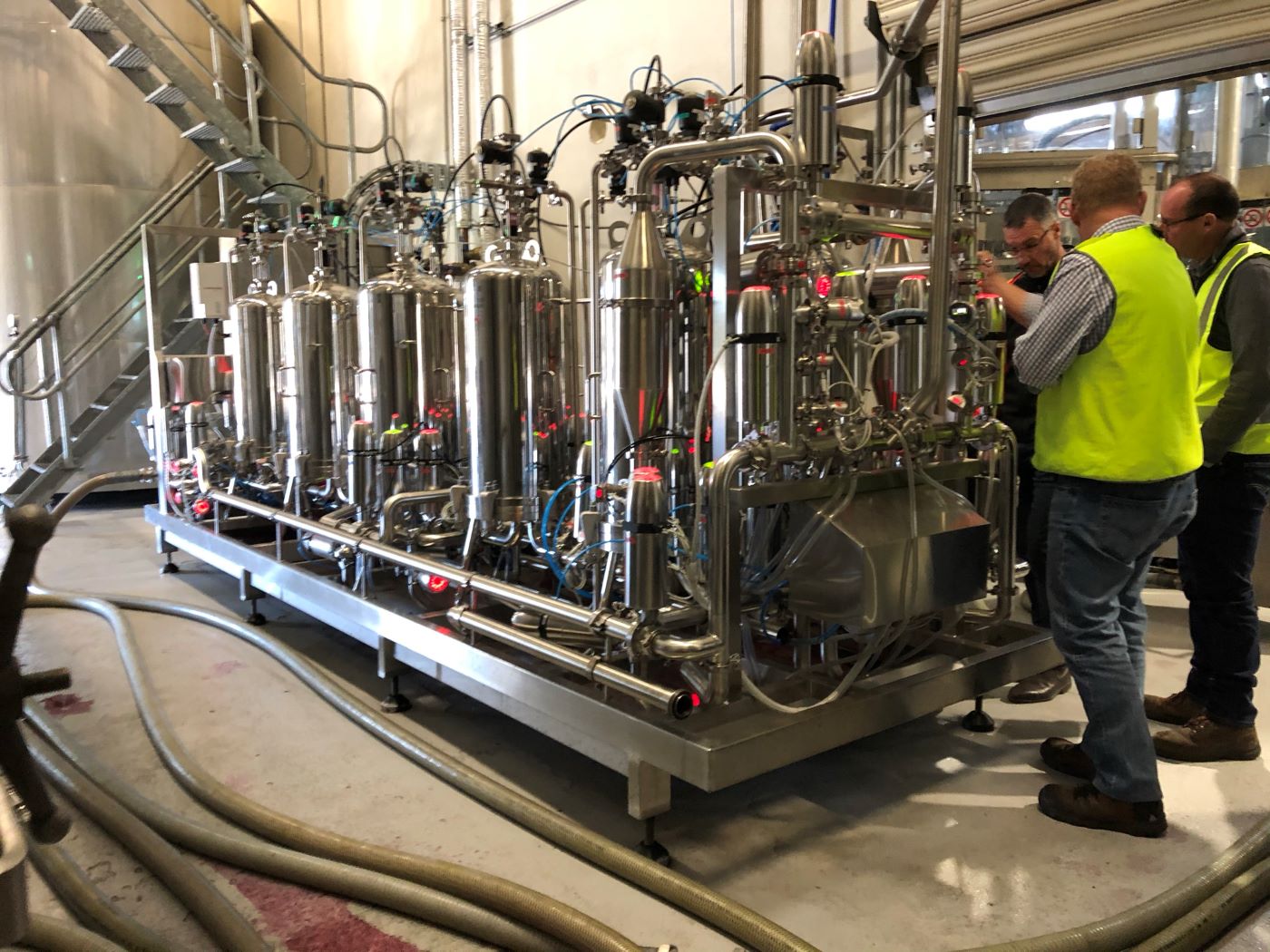
In BHF’s recent Australian data centre work, stored water has been recirculated through 25-micron filtration, UV disinfection and 5-micron filtration on a single skid. The system is used most of the time during summer, across four months of the year. Through winter, the water largely sits but still needs to remain available on demand.
New Zealand may have a shorter peak-use period because of its cooler climate, although this will depend on the site and cooling system.
BHF is also exploring standard systems for stored water and a pilot to recover cooling-tower blowdown water for reuse. The aim is to reduce the use of treated drinking water and ease pressure on local supply.
Planning Water Treatment Early
A sound water strategy starts with understanding the source, defining each point of use and considering treatment, storage and recovery early.
Work With BHF Technologies New Zealand
BHF welcomes opportunities to work alongside engineering consultants and project teams, sharing practical experience and discussing how these considerations can be applied to future data centre developments.
Get in touch with the BHF Technologies New Zealand team to discuss your water treatment requirements.
Frequently Asked Questions
Water quality can vary depending on whether the source is bore, river or municipal supply. Factors such as mineral content, hardness, dissolved solids, silica and organics can influence the treatment required. The appropriate treatment therefore depends on the source water, where it will be used and the required water quality at each point of use.
A water treatment train is a sequence of treatment stages selected according to the source water and required output quality. For example, ultrafiltration (UF) can remove suspended solids, colloids and microorganisms, while reverse osmosis (RO) can reduce dissolved salts and minerals. UF may also be used ahead of RO as part of the overall treatment process.
Stored water may remain unused for periods of time but still needs to be available when required. Recirculation and treatment can help maintain water quality during these low-use periods. In BHF’s recent Australian data centre work, stored water was recirculated through 25-micron filtration, UV disinfection and 5-micron filtration on a single skid.