

















How to Select a Cartridge Filter Housing: Size, Flow Rate, Pressure and Material
October 22, 2026
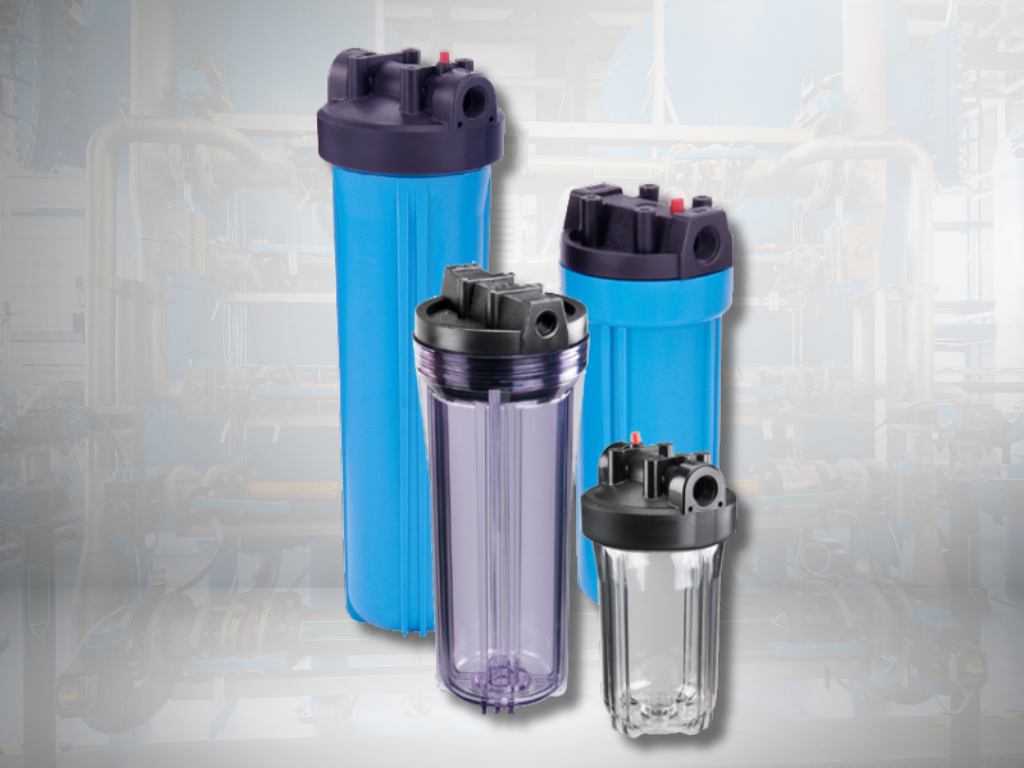
Selecting the right cartridge filter housing means checking four things: that it suits the cartridge format and peak flow, that its pressure and temperature ratings cover the process, that its materials are compatible with the fluid and cleaning chemicals, and that the cartridge seals properly once installed. Missing any one of these can lead to cartridges clogging early, liquid bypassing the filter or a housing that leaks under pressure, all of which add cost and downtime.
What Is a Cartridge Filter Housing?
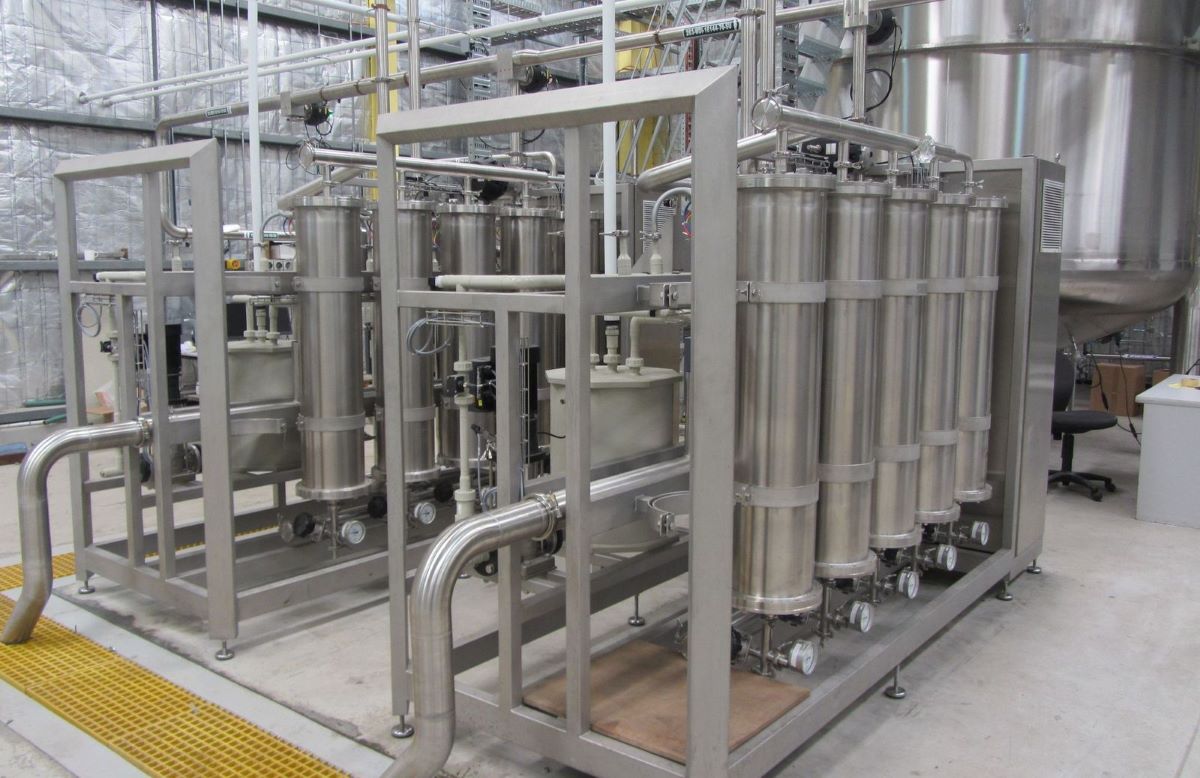
A cartridge filter housing is the pressure vessel that holds one or more replaceable filter cartridges, from a single cartridge in smaller units up to around 20 in larger multi-cartridge vessels. Most housings have two main parts: a head carrying the inlet and outlet connections, and a bowl that encloses the cartridge and comes off when the cartridge is changed. Liquid flows from the outside of each cartridge into its centre core and out through the outlet, while gaskets or O-rings hold the cartridge in place so that nothing slips past the filter media (Ministry of Health, 2019).
This simple design is why cartridge housings appear in so many applications, from pre-filtration ahead of reverse osmosis (RO) and UV systems to process water and final polishing in food and beverage production. In each case, the housing sets the limits on flow, pressure and temperature that the cartridge works within, which is why the housing and cartridge need to be matched to each other.
How to Size a Cartridge Filter Housing for Your Flow Rate
The first of those limits is flow. A housing’s size depends on the cartridge format it takes and the highest flow it needs to handle.
- Cartridge format. Standard cartridges are 248 mm (9¾ inch) or 254 mm (10 inch) long and 64 mm in diameter, with larger diameters and longer lengths available for higher volumes. Where more capacity is needed, one long cartridge is better than two short ones stacked together, as stacked cartridges can seat poorly.
- Peak flow. Size for the maximum daily or maximum instantaneous flow rather than the average, since sustained high flow clogs cartridges faster (Ministry of Health, 2019).
- Number of cartridges. Divide the design flow by the manufacturer’s recommended flow per 10-inch element for the chosen media and micron rating, then round up. If one element is rated for a quarter of the design flow, for example, you would need four 10-inch equivalents, such as two 20-inch cartridges.
- Single or multi-cartridge. Once a duty needs more than one or two cartridges, a multi-cartridge housing saves space and pipework compared with several single units.
- Room to grow. Allowing for seasonal peaks, such as vintage or the dairy season, and for future expansion costs less than replacing an undersized housing later.
Check Operating Pressure and Temperature
Once the housing is sized for flow, its pressure rating needs to cover the highest pressure the system can produce, including the moment a downstream valve is closed. In New Zealand, larger pressure vessels may also come under the pressure equipment regulations administered by WorkSafe, so it is worth confirming whether a new installation falls within scope (New Zealand Government, 1999).
Pressure also shows how the cartridge is performing once the housing is in service. Differential pressure, the difference between inlet and outlet readings, starts low when a cartridge is new and climbs quickly towards the end of its life. Gauges on the housing let operators change cartridges at the supplier’s recommended limit, and a sudden drop is a warning sign, as it can mean a cartridge has ruptured or a seal has failed (Ministry of Health, 2019).
Temperature affects the pressure rating too, particularly with plastic housings, which lose strength as they warm and need protecting from frost when installed outdoors. If the process runs hot or relies on hot cleaning, stainless steel is the better option, which makes material the next decision.
Select the Right Filter Housing Material
For most industrial duties, that decision comes down to polypropylene or stainless steel. Here is how the two compare:
| Criteria | Polypropylene housings | Stainless steel housings |
| Weight and cost | Lightweight, lower cost | Heavier, higher cost |
| Corrosion resistance | Resists water, chlorides and many chemicals | Good, but the grade must suit chlorides and cleaning chemicals |
| Pressure and temperature | Lower limits; rating applies only up to the stated temperature | Higher pressure and temperature limits |
| Cleaning | Not suited to hot cleaning or steam | Suits hot cleaning and steam sterilisation |
| Typical uses | Water treatment, RO pre-filtration, seawater | Hot liquids, food, beverage and pharmaceutical processing |
The right material ultimately depends on what the housing will be exposed to day to day. Every part that comes into contact with the liquid, including the seals and the cartridge itself, should be checked against both the process fluid and any cleaning chemicals used on site. A housing body that handles the fluid well can still leak if its seals do not, so compatibility needs to hold across the whole assembly, starting with the cartridge.
Cartridge Fit, Seals and Installation
The cartridge itself is normally chosen before the housing is finalised, and most fall into one of three types:
- Depth cartridges trap particles throughout the thickness of the media, so they hold more dirt before blocking and suit liquids with higher solids loads or pre-filtration duties.
- Pleated cartridges use a folded sheet of media to pack more surface area into the same space, making them a good fit for cleaner liquids where higher flow and longer service life matter.
- Membrane cartridges have a tightly controlled pore size and are used for final or critical filtration, such as before bottling or in pharmaceutical processes.
The type you choose also affects how often cartridges are changed, so a duty with frequent change-outs benefits from a housing that is quick and easy to open.
How the cartridge seals in the housing matters just as much as what it is made from. Double open end (DOE) cartridges seal on flat gaskets squeezed between the head and bowl, while single open end (SOE) cartridges use O-rings and give a more positive seal. Seal material needs to match the fluid, with nitrile for general water duties and fluoroelastomer (FKM, such as Viton) or EPDM for harsher chemicals or higher temperatures.
Good installation keeps that seal intact over the life of the housing. Connections should match the pipework, with enough room to remove the bowl, and slow-opening valves, a pressure relief valve and an air release at the top of the housing help avoid sudden pressure changes that can dislodge trapped particles. Because a leak between cartridge and housing breaks the filtration barrier, it pays to inspect both seals at every change-out and run the filter to waste for the first few minutes after fitting a new cartridge (Ministry of Health, 2019).
Cartridge Filter Housings from BHF
These details are easier to get right when the housing and cartridges are considered together. BHF designs, installs and services filtration systems for New Zealand operators in food and beverage, healthcare and biotechnology, water treatment, and mining and resources, and supplies both the housings and the cartridges that go into them.
As Waldo Andersen, Account Manager at BHF New Zealand, explains:
“Choosing a housing really starts with understanding the process. We look at the flow, the fluid, the operating pressure and how often the cartridges will be changed, then match the housing and cartridge to suit. Getting that right at the start saves a lot of time and cost down the track.”
For general liquid filtration, BHF’s 28 Series plastic filter housings fit most standard industrial disposable filter elements. The range includes two models, as set out in the 28 Series datasheet.
| Model | Cartridge length | Cartridge O/D | End cap | Connections | Maximum pressure |
| Standard | 10 and 20 inch | 2.5 inch | Code 0 DOE, Code 9 SOE | 3/4 inch BSPF | 6.2 bar g (clear bowl), 8.6 bar g (opaque bowl) |
| B-Blue | 10 and 20 inch | 4.5 inch | Code 0 DOE | 1 or 1½ inch BSPF | 6.2 bar g |
In the table, O/D is the cartridge’s outside diameter, BSPF refers to a female British Standard Pipe thread, and bar g is pressure measured above atmospheric pressure. Both models are rated to 45°C, except the high-temperature polyamide version of the Standard, which is rated to 73°C. Gaskets are available in nitrile or Viton, a push-button pressure and air release is available on most versions, and the plastics are suitable for use with potable water.
When a duty needs more than a plastic housing can offer, BHF’s hardware range also covers:
- Higher flows: 60 Series Multi-Stack Cartridge Housings hold multiple cartridges in one vessel for general liquid processing.
- Single-cartridge process duties: 50 Series Single Stack Cartridge Housings are lightweight assemblies suited to a variety of processes.
- Sanitary applications: 70 Series Hygienic Cartridge Housings are sanitary single and multi-cartridge vessels.
- Brackish water and seawater: Glass Reinforced Plastic (GRP) Vessels are designed for large-scale brackish water and seawater treatment.
Each of these housings can be fitted with BHF’s depth, pleated and membrane filtration products, so the cartridge can be matched to the housing from the outset rather than sourced separately. This makes it easier to confirm end cap style, seal material and flow capacity before installation, and to keep the right replacement cartridges on hand once the system is running.
Selecting a Cartridge Filter Housing for Reliable Performance
A cartridge filter housing works best when it is chosen for the conditions it will actually face, from peak flow and pressure to the fluids and seals involved. Getting those right at the start helps prevent early cartridge failures, leaks and costly replacements later.
Talk to Our Team
If you are specifying a new housing or reviewing an existing one, talk to our team at BHF New Zealand about matching the housing and cartridges to your process. BHF also offers site audits and service and maintenance support to keep systems running reliably.
Frequently Asked Questions
No. The cartridge length, outside diameter and end cap code all need to match the housing. BHF’s 28 Series, for example, accepts most standard industrial disposable filter elements, but only the Standard model takes Code 9 SOE cartridges as well as Code 0 DOE, as shown in the 28 Series datasheet.
Yes, provided it is protected from freezing and not exposed to water hammer or pressure shock, both of which can damage plastic housings. Where a line sees frequent pressure surges or wide temperature swings, a stainless steel housing may be the more dependable choice.
Polypropylene is lighter, cheaper and highly corrosion resistant, while stainless steel handles higher pressure, heat and sanitary cleaning.
Too little cartridge area means a high clean pressure drop and earlier change-outs. Sizing for a low clean pressure drop generally extends cartridge life and reduces pumping energy.
Request the housing’s technical data sheet and check its pressure and temperature ratings, wetted materials, seal options and connections against your actual process conditions.