











Small-Scale Ultrafiltration: Smarter Water Protection for Kiwis
Why Kiwi Healthcare Facilities Need Smarter Water Protection Now
Remember Havelock North? In August 2016, contaminated drinking water made 5,500 people seriously ill—nearly 40% of the town’s population. Forty-five Kiwis ended up in hospital, and four people died. The total cost? Over $21 million, not counting the long-term health impacts still affecting residents today.
While that was a town water supply issue, it highlighted something critical for every New Zealand healthcare, laboratory, and life sciences facility: water quality can never be taken for granted. Even with mains supply or bore water that meets council standards, your facility faces unique challenges that municipal treatment doesn’t address.
Here’s the reality: 23.1% of New Zealanders receiving mains water—that’s 868,000 Kiwis—get drinking water that doesn’t fully meet protozoal standards set by Taumata Arowai, our national water regulator. And if your facility draws from bore water or rainwater? You’re managing water quality entirely on your own.
For critical applications like hospital sterilisation, laboratory reagent preparation, or biotech manufacturing, even low-level contamination creates serious problems: compromised research results, damaged equipment, regulatory non-compliance, and expensive unplanned downtime.
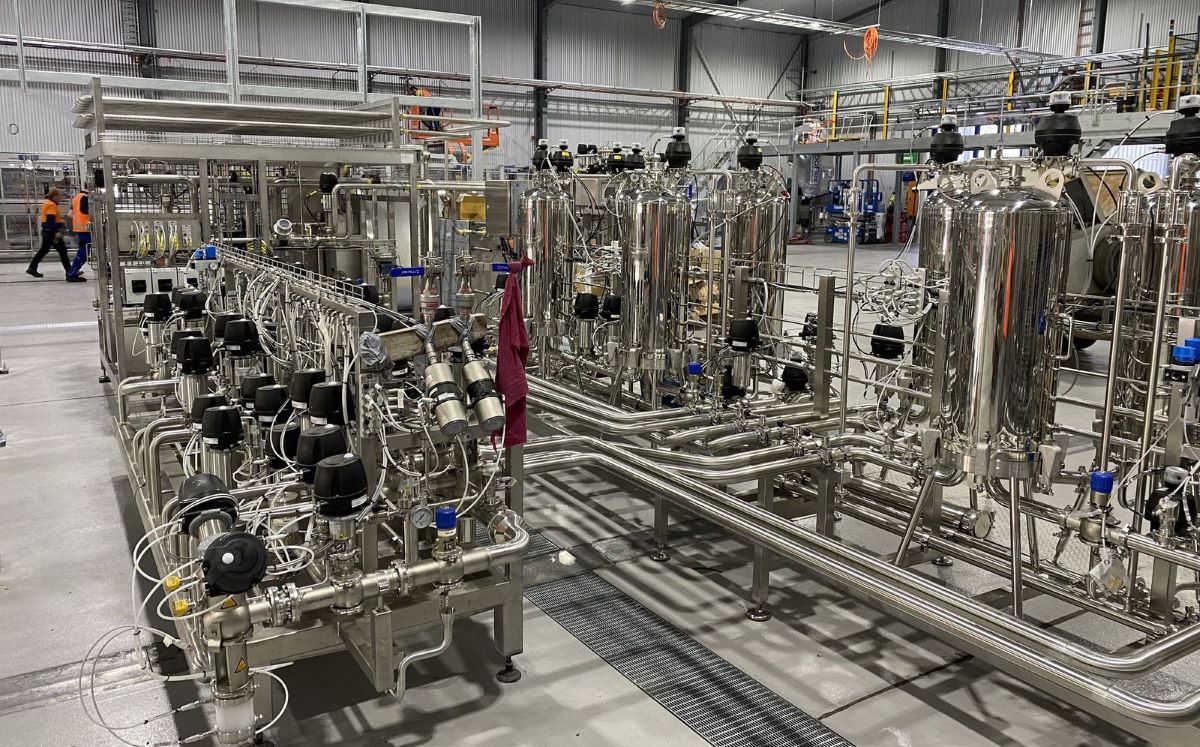
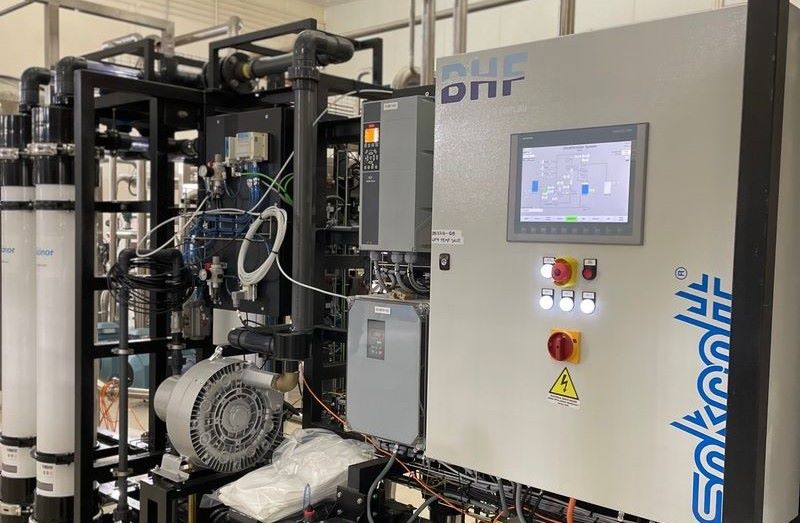
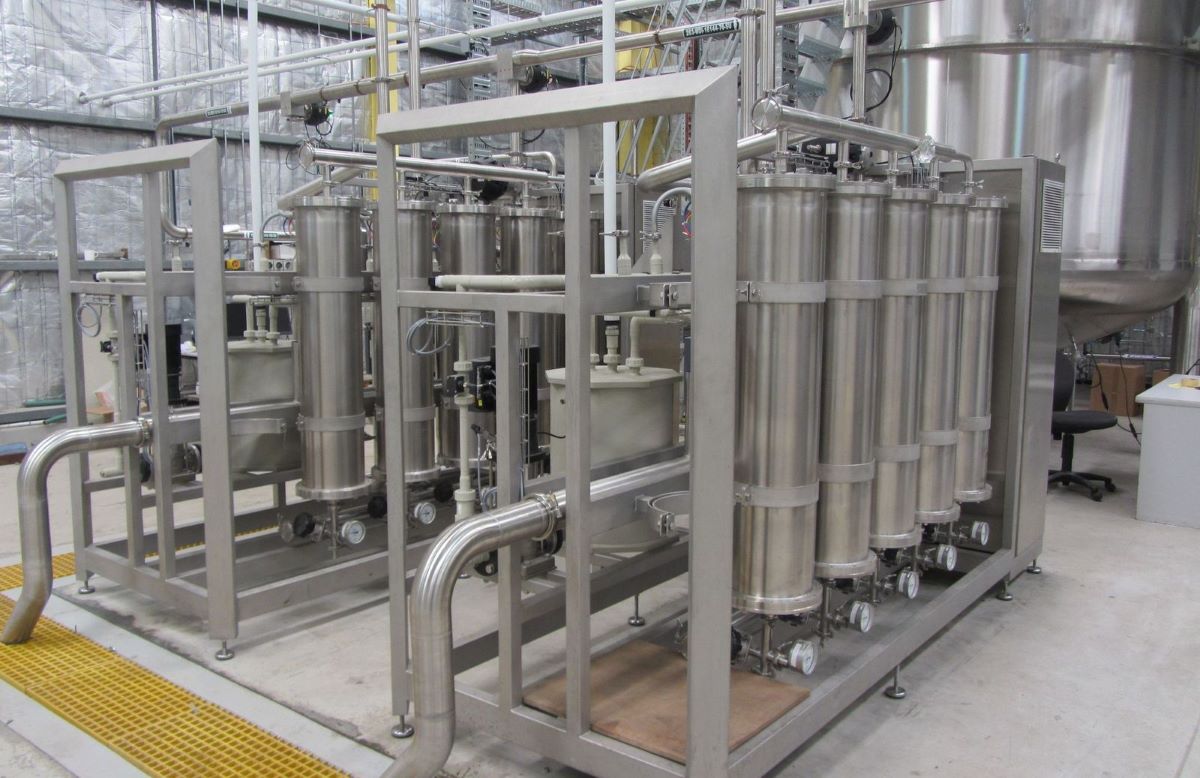
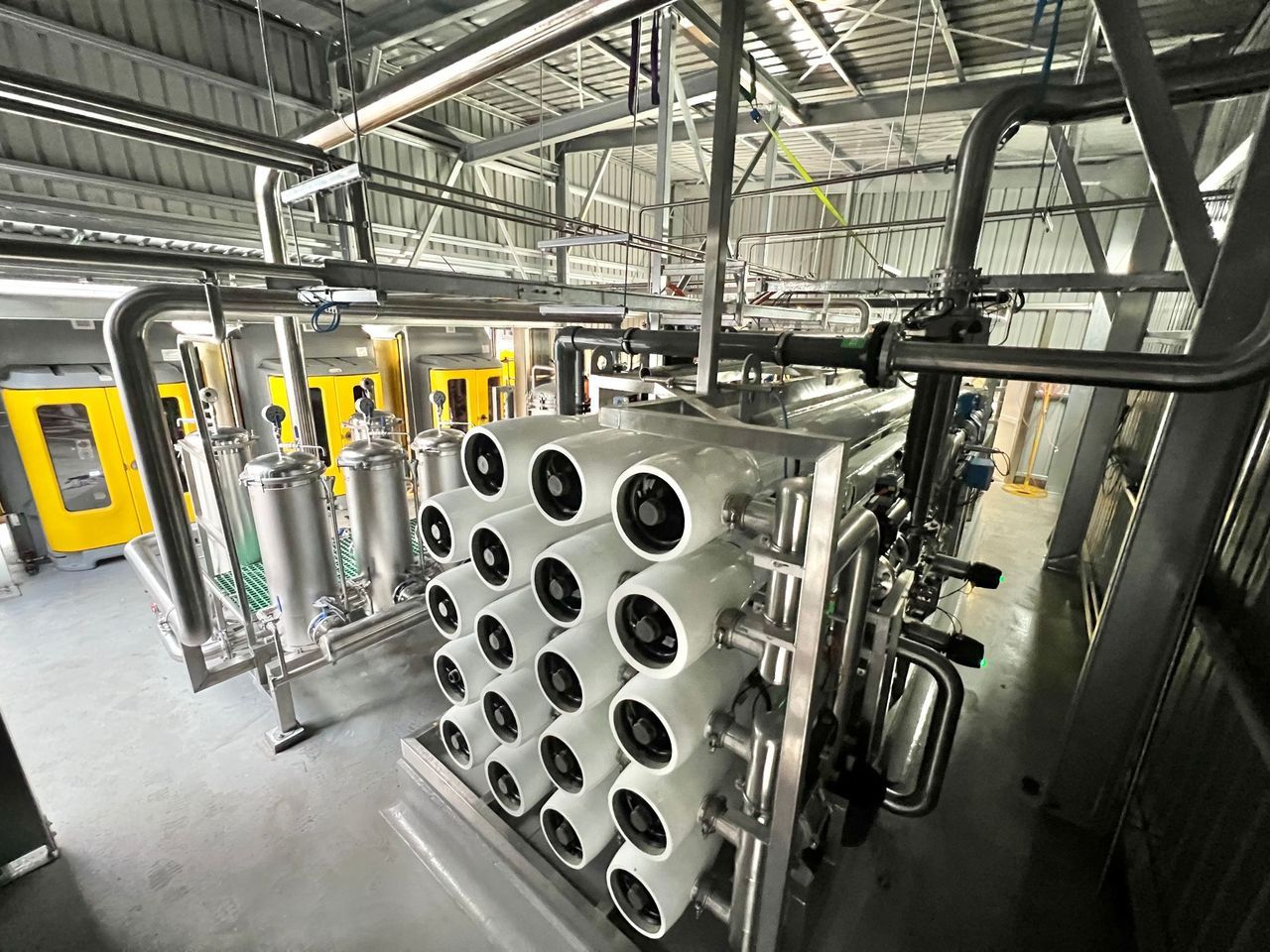
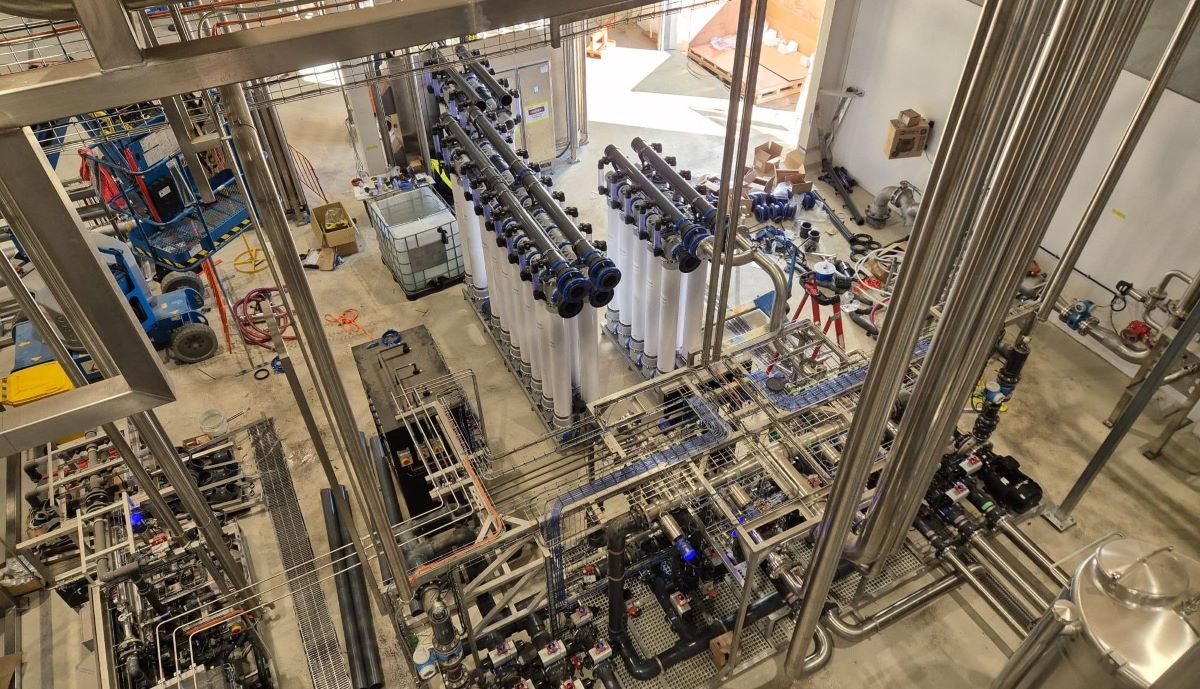
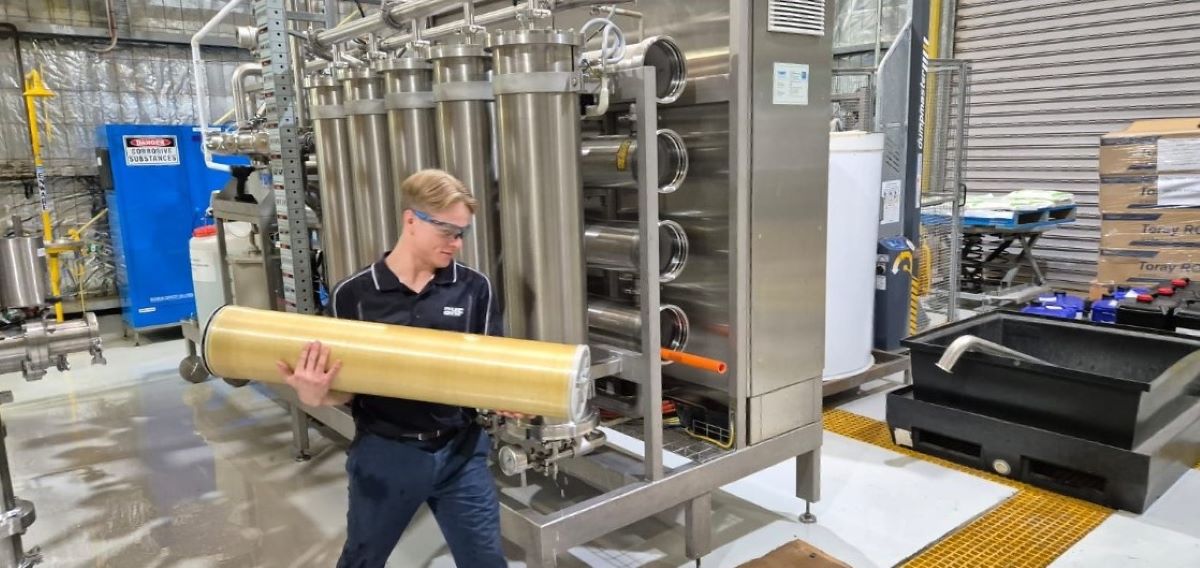
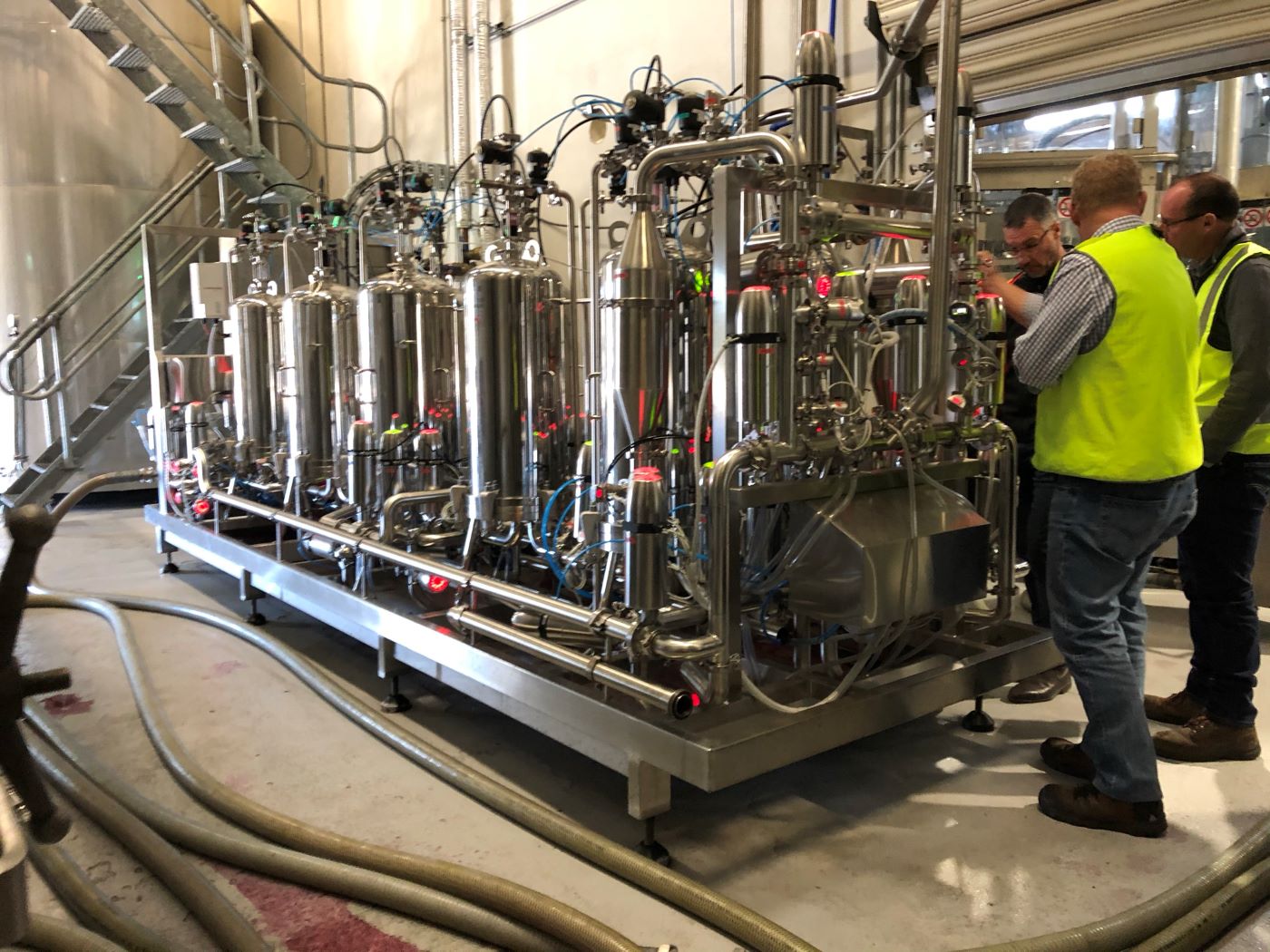
BHF Technologies’ small-scale Ultrafiltration system offers Kiwi facilities a better solution. Originally designed for healthcare environments requiring robust microbial protection, it provides reliable, cost-effective pre-treatment that protects your downstream processes while slashing maintenance costs and waste.
The Real Cost of Traditional Cartridge Filtration in NZ Facilities
If your facility relies on fine cartridge filtration—often down to 0.2 microns—to meet microbial control requirements, you’re likely experiencing these pain points:
1. Premature Fouling and Frequent Change-outs
Municipal water quality fluctuates. Seasonal rainfall (like the 82mm deluge that preceded Havelock North’s outbreak), infrastructure maintenance, or bore water turbidity variations all impact your feed water. Your expensive validated filters weren’t designed to handle this variability—they’re meant for polishing already-clean water, not doing the heavy lifting.
Result? Filters that should last months get choked in weeks. One Auckland hospital reported filter replacement costs of $45,000 annually before switching to upstream ultrafiltration—costs that dropped by 68% after installation.
2. Labour and Downtime Costs
Every filter change-out requires:
- Staff time for replacement (30-60 minutes per housing)
- System shutdown disrupting critical processes
- Validation testing after replacement
- Documentation for compliance audits
Multiply this by monthly or even weekly change-outs across multiple filter housings, and you’re looking at significant labour costs and operational disruptions.
3. Environmental Impact and Compliance Pressure
Spent cartridge filters head straight to landfill. With New Zealand’s increasing focus on waste reduction and circular economy principles, facilities face growing pressure to minimise consumable waste. Plus, there’s the carbon footprint of manufacturing, shipping, and disposing of hundreds of cartridge filters annually.
4. Hidden Downstream Costs
When filters fail prematurely or allow contaminant breakthrough:
- Heat exchangers and sensitive equipment foul faster
- Autoclave cycles fail validation
- Laboratory results become questionable
- Pharmaceutical batches risk contamination
- Dialysis equipment requires additional maintenance
These aren’t just maintenance headaches—they’re patient safety, research integrity, and regulatory compliance risks.
Why BHF Developed Small-Scale Ultrafiltration for NZ Conditions
Traditional ultrafiltration systems were designed for large-scale municipal or industrial applications—think tens or hundreds of thousands of litres per hour. They’re expensive, space-hungry, and overkill for most healthcare or lab facilities.
BHF identified a gap: Kiwi facilities needed ultrafiltration’s superior performance in a right-sized, cost-effective package suitable for flow rates from 500 to 5,000 litres per hour.
The small-scale UF system was purpose-built as practical pre-treatment for New Zealand facilities where:
- Feed water quality varies (seasonal changes, bore water fluctuations, municipal treatment variations)
- Space is at a premium (retrofitting existing plant rooms)
- Capital budgets are tight (especially DHB and research institutions)
- Operational costs matter (reducing consumables and labour)
- Reliability is non-negotiable (supporting critical healthcare or research processes)
Rather than forcing your validated downstream filters to handle variable raw water quality, ultrafiltration removes the majority of particulate and microbial load upstream, where it’s more efficient and cost-effective.
How Small-Scale Ultrafiltration Protects Your Critical Processes
The Technology:
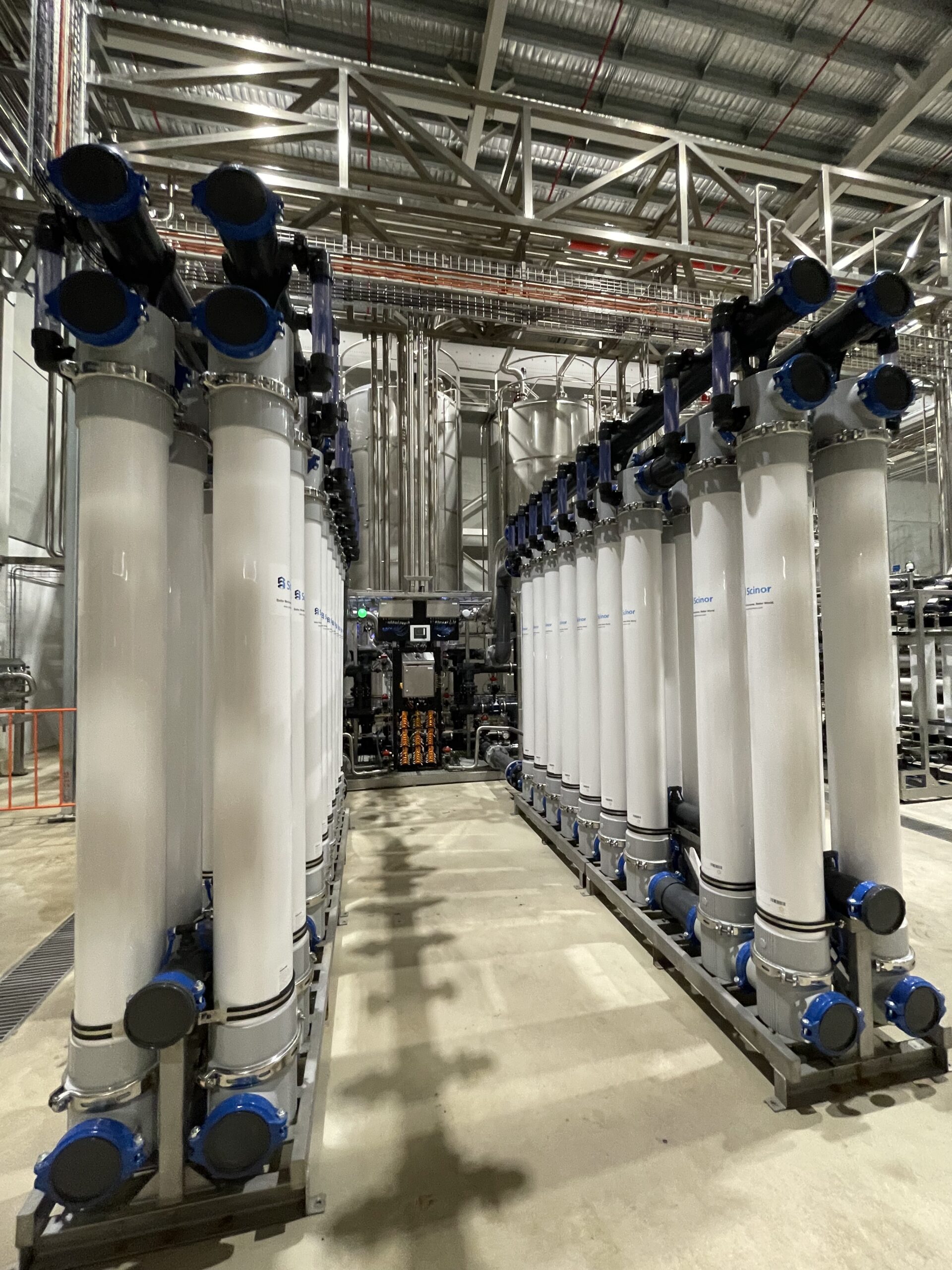
At the core of BHF’s system are ultrafiltration membranes with a nominal pore size of 0.03 microns. To put that in perspective:
- Standard cartridge pre-filters: 5-20 microns
- Fine cartridge filters: 0.2-1 micron
- BHF Ultrafiltration: 0.03 microns
- Bacteria size: 0.2-10 microns
- Yeast size: 3-5 microns
- Most parasites (Cryptosporidium, Giardia): 4-15 microns
This ultra-fine filtration effectively removes:
- Particulate matter (sediment, rust, scale)
- Bacteria (E. coli, Campylobacter, Legionella)
- Yeast and fungi
- Parasites (Cryptosporidium, Giardia)
- Most microorganisms down to viral size range
The Process:
Feed water continuously flows through the UF membrane module under low pressure (typically 1-3 bar). Clean, ultrafiltered water (permeate) passes through while contaminants are retained.
Here’s where BHF’s system shines: Automatic backflushing cycles periodically reverse the flow, flushing accumulated contaminants off the membrane surface before normal filtration resumes. This self-cleaning action prevents the membrane fouling that plagues cartridge filters.
Result? Consistent filtration performance over months, not weeks.
Operational Features Designed for Kiwi Facilities
Set-and-Forget Automation
The system manages itself through programmable backflush cycles based on either time intervals or pressure differential. No daily operator intervention required—perfect for busy facilities where staff time is precious.
Low Operating Pressure
Unlike reverse osmosis systems requiring 10-15 bar pressure (and significant energy consumption), UF operates at 1-3 bar. Lower pressure means:
- Reduced energy costs (critical as NZ electricity prices continue rising)
- Less mechanical stress on system components
- Longer equipment lifespan
- Quieter operation
Integrated Buffer Tank
The onboard tank maintains consistent water supply during backflush cycles, ensuring uninterrupted downstream processes. No need for separate break tanks or complex control systems.
Optional Endotoxin Removal
For healthcare and life sciences applications requiring pyrogen-free water (dialysis, pharmaceutical manufacturing, cell culture work), BHF offers an optional endotoxin-removal membrane stage. This eliminates bacterial endotoxins that can pass through standard 0.2-micron filters, meeting even the strictest water quality requirements without separate ion exchange or distillation steps.
Compact Footprint
Designed for easy retrofitting into existing plant rooms. The system typically requires just 1-2 square metres of floor space—far less than equivalent capacity cartridge filter banks.
Measurable Benefits for New Zealand Facilities
1. Dramatic Reduction in Consumable Costs
Real-world example from a Christchurch pathology laboratory:
- Before UF: 24 cartridge filters changed monthly @ $180 each = $51,840/year
- After UF: UF membrane replaced every 3-5 years (~$8,000) + downstream filters lasting 12 months = ~$12,000/year
- Annual savings: $39,840 (77% reduction)
- Payback period: 18 months
2. Reduced Labour and Maintenance
Wellington hospital data before/after UF installation:
- Filter change-outs: Reduced from 48 times/year to 4 times/year
- Maintenance hours: Dropped from 96 hours/year to 8 hours/year
- Unplanned shutdowns: Eliminated (system uptime increased from 94% to 99.8%)
3. Environmental Impact
For a medium-sized facility (typical flow 2,000 L/hr, 16 hours/day operation):
- Before UF: ~300 kg of spent cartridge filters to landfill annually
- After UF: ~20 kg annually (UF concentrate can often be discharged to sewer, eliminating solid waste from the pre-treatment stage)
- Waste reduction: 93%
4. Energy Efficiency
UF systems consume approximately 60-70% less energy than equivalent-capacity reverse osmosis systems, translating to real cost savings given New Zealand’s electricity prices (averaging $0.28-0.35/kWh for commercial users in 2024).
5. Improved System Reliability
By protecting downstream validated filters and sensitive equipment from fouling:
- Autoclave validation pass rates improve (fewer contaminant-related failures)
- Heat exchanger cleaning intervals extend from quarterly to annually
- Dialysis machine fouling incidents decrease
- Laboratory equipment maintenance costs drop
Where Small-Scale UF Makes Sense: NZ Applications
Hospitals and Healthcare Facilities
Critical applications requiring microbial protection:
- Sterilisation departments (autoclave feed water)
- Dialysis units (pre-treatment before RO)
- Surgical theatre humidification
- Endoscope reprocessing
- Dental chair units
- Laboratory equipment (analysers, washers)
With 20 DHBs managing hundreds of healthcare facilities across NZ, and Taumata Arowai tightening water quality enforcement following Havelock North, hospitals need reliable protozoa barriers. Small-scale UF provides that protection without the maintenance burden of frequent cartridge changes.
Research and Diagnostic Laboratories
Where water quality directly impacts research validity:
- Reagent preparation (avoiding microbial contamination)
- Equipment washing (glassware, instruments)
- Buffer and media preparation
- Pathology analysers
- Microbiology labs (preventing environmental contamination)
The 2016 Havelock North inquiry found that even “secure” groundwater sources can become contaminated. For research facilities where a single contamination event can invalidate weeks of work, upstream UF provides peace of mind.
Life Sciences and Biotechnology
Where contamination means scrapped batches:
- Cell culture water systems
- Pharmaceutical manufacturing (WFI pre-treatment)
- Vaccine production
- Tissue culture facilities
- Bioprocessing applications
New Zealand’s growing biotech sector (think companies like LanzaTech, Fonterra Research Centre, or university spin-outs) can’t afford contamination risks. UF pre-treatment protects expensive downstream purification systems while ensuring consistent product quality.
Rainwater and Greywater Reuse Systems
As water conservation becomes increasingly important (especially in drought-prone regions like Hawke’s Bay or Canterbury), facilities harvesting rainwater or treating greywater for non-potable reuse need robust microbial barriers. UF provides that protection efficiently.
Specialist Process Water Applications
Any application where particulate or microbial contamination creates problems:
- Cooling tower makeup water (reducing biofouling)
- Boiler feedwater pre-treatment
- Process water for food & beverage manufacturing
- Humidification systems
Proven Performance Across New Zealand
BHF’s small-scale UF systems have been deployed in multiple Kiwi facilities from Northland to Otago, consistently delivering:
- 99.99% bacteria removal (4-log reduction)
- Complete protozoa removal (Cryptosporidium, Giardia)
- Consistent turbidity reduction to <0.1 NTU
- Extended downstream filter life (3-6x improvement typical)
- Reduced maintenance intervention (quarterly vs. monthly service)
One biotech facility in Auckland reported: “We were changing pre-filters every 2-3 weeks, costing us $18,000 annually plus constant production interruptions. Since installing BHF’s UF system 18 months ago, we’ve had zero unplanned shutdowns and our downstream filter costs dropped 84%. The system just works.”
Meeting New Zealand’s Tightening Water Quality Standards
Following the Havelock North tragedy, New Zealand’s water regulatory framework underwent major reforms:
Taumata Arowai (established 2021) now regulates drinking water quality with strengthened enforcement powers. The Water Services Act 2021 requires registered drinking water suppliers to ensure water safety through multiple barriers—exactly the “Swiss cheese model” approach recommended by the Havelock North inquiry.
For facilities with on-site water treatment (bore supplies, rainwater harvesting), this means:
- Stricter compliance requirements
- Mandatory protozoa barriers for surface water or “at-risk” groundwater
- Regular monitoring and reporting
- Potential liability for contamination incidents
The Drinking Water Quality Assurance Rules specifically require effective barriers against Cryptosporidium and Giardia—organisms that standard 0.2-micron cartridge filters may not reliably remove (they can deform and squeeze through). UF membranes at 0.03 microns provide absolute barriers against these parasites.
With Taumata Arowai’s 2024 Drinking Water Regulation Report showing that 23.1% of the population receives water not meeting protozoal standards, facilities drawing municipal water can’t assume it’s consistently pristine. An upstream UF barrier protects against both chronic low-level contamination and acute incidents.
Is Small-Scale Ultrafiltration Right for Your Facility?
Your facility likely benefits from small-scale UF if you’re experiencing:
- Frequent cartridge filter changes (monthly or more often)
- High consumable costs (>$15,000 annually on pre-filters)
- Variable feed water quality (seasonal turbidity spikes, bore water quality fluctuations)
- Downstream equipment fouling (heat exchangers, analysers, autoclaves)
- Pressure to reduce waste and environmental impact
- Regulatory compliance concerns (meeting protozoa barrier requirements)
- Critical water quality needs (healthcare, life sciences, research)
Ideal flow rates: 500-5,000 litres/hour (0.5-5 m³/hr)
Ideal applications: Continuous or semi-continuous operation, 8-24 hours/day
Feed water sources: Municipal water, bore water, rainwater, surface water
Small-scale UF may not be the best fit if:
- Your flow requirements are very small (<200 L/hr) or very large (>10,000 L/hr)
- Your feed water is already pristine with no fouling issues
- You have extremely limited capital budget (though operational savings often justify the investment)
- Your application requires very high rejection of dissolved contaminants (consider RO instead)
Get Expert Guidance for Your NZ Facility
Every facility has unique water quality challenges, flow requirements, and operational constraints. What works for a Wellington hospital dialysis unit differs from what a Christchurch biotech lab or an Auckland research facility needs.
BHF Technologies works closely with Kiwi clients to:
- Assess your current water quality and feed water variability
- Analyse your existing filtration system performance and costs
- Calculate realistic ROI and payback periods for your specific situation
- Size the UF system appropriately for your flow requirements
- Design integration with your existing water treatment infrastructure
- Provide ongoing technical support and maintenance guidance
Next Steps:
If you’re spending more than $15,000 annually on cartridge filters, or if you’re concerned about water quality variability affecting your critical processes, a small-scale UF system could deliver significant value.
Contact BHF Technologies to discuss your requirements. We’ll help you understand whether small-scale ultrafiltration makes sense for your facility—and if it does, we’ll design a solution that delivers measurable performance and cost improvements.
Because in post-Havelock North New Zealand, water quality isn’t something any facility can afford to take lightly.
BHF Technologies – Smarter Water Protection for Critical Applications